
Executive Summary
A recent Darubini Poll survey has revealed deeply concerning trends in sexual behavior and dating dynamics within Kenyan universities. The findings expose widespread multiple-partner relationships, rising vulnerability to sexually transmitted infections and the growing influence of economic pressure on intimate relationships. Particularly alarming are emerging patterns involving transactional relationships, power imbalances and risky sexual practices among both female and male students.
Key Findings
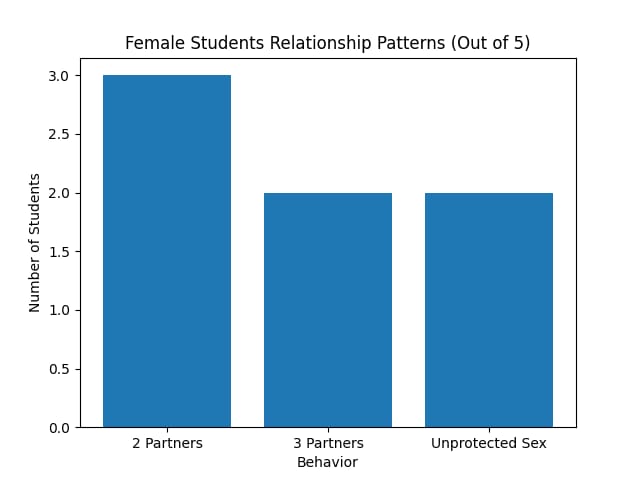
Transactional and Cross-Generational Relationships
Sex-for-Grades Allegations
Male Student Trends and Behavioral Patterns
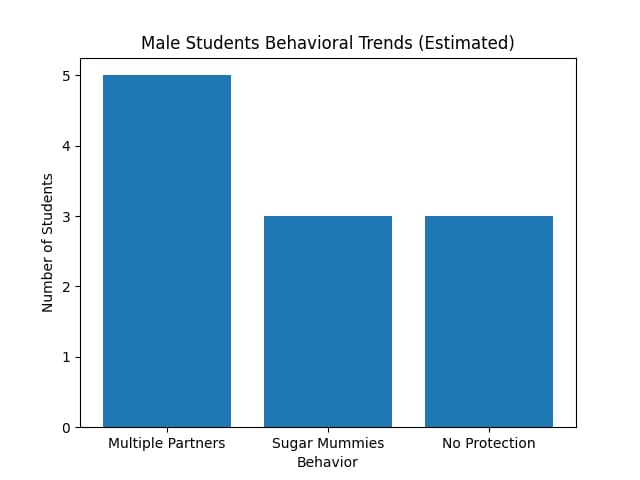
While much focus is often placed on female students, the report highlights notable patterns among male students: A significant number of male students reported engaging in multiple concurrent relationships, often across different campuses or towns. Some male students indicated involvement with older women (“sugar mummies”), particularly those seeking financial or material support. There is a rising trend of peer pressure-driven sexual activity, where masculinity is tied to having multiple partners. Alarmingly, a portion of male respondents admitted to inconsistent or non-use of protection, citing reduced pleasure or trust in partners.
Additionally, some male students were found to play a central role in relationship networks, linking multiple partners and thereby increasing the risk of STD transmission across groups.
Risk Factors and Public Health Implications
The convergence of the following factors creates a high-risk environment:
- Multiple and overlapping sexual partnerships
- Unprotected sex
- Cross-generational relationships
- Power-imbalanced relationships (e.g., lecturer-student dynamics)
Health experts warn that these patterns could accelerate the spread of infections, increase unintended pregnancies, and contribute to long-term psychological and social harm among students. Female students remain the most vulnerable, facing disproportionate exposure to exploitation, health risks and emotional distress.
Underlying Causes
The research identifies several drivers behind these behaviors:
- Financial constraints – the leading cause, especially among female students
- Campus social pressure and lifestyle expectations
- Weak enforcement of institutional ethics policies
- Limited access to youth-friendly sexual and reproductive health services
- Normalization of transactional relationships in urban culture
Recommendations
- Strict enforcement of university policies against exploitation and lecturer-student relationships
- Expanded sexual and reproductive health education programs
- Increased access to affordable or free protection and health services
- Economic support systems such as bursaries and student aid programs
- Confidential reporting mechanisms for students facing exploitation